Black Podcasting Helped Build This Industry. The Checks Haven't Caught Up.
Last week Forbes dropped its annual list of the highest-paid podcasters. Three Black creators made the cut out of 20 total slots. But the list also contained zero Black women, in a medium whose culture has been shaped by Black women more than almost any other group.
Last week Forbes dropped its annual list of the highest-paid podcasters. Three Black creators made the cut out of 20 total slots, and if you only look at that number, you might call it progress. Three is more than zero. But the list also contained zero Black women, in a medium whose culture has been shaped by Black women more than almost any other group.
Both things are worth sitting with.
The Three Who Made It and What Their Playbooks Have in Common
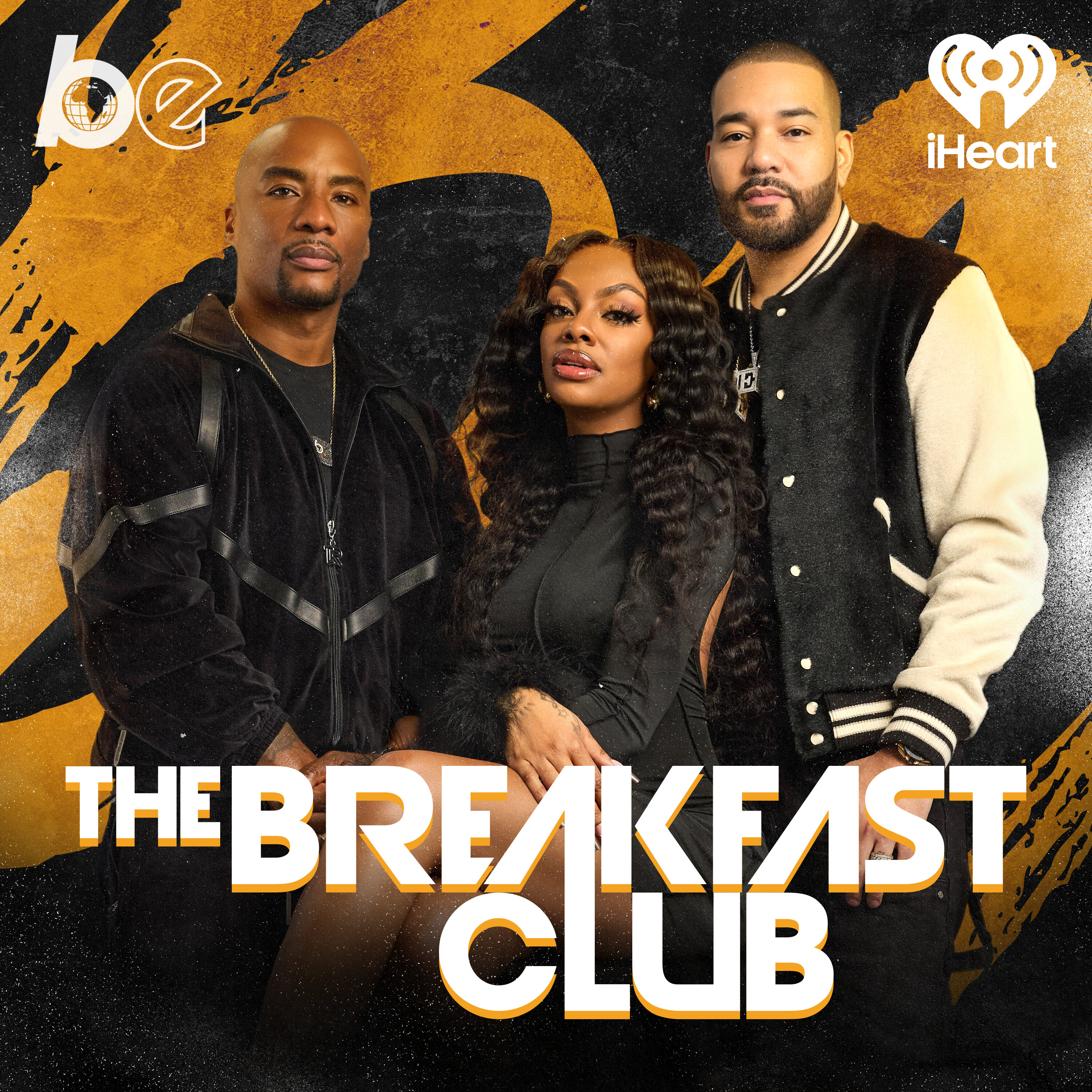
The three Black creators on the Forbes 2026 list are Steven Bartlett (Diary of a CEO, ranked #3 at an estimated $45 million), Charlamagne Tha God (The Breakfast Club, ranked #10 at $27 million), and Joe Budden (The Joe Budden Podcast, ranked #15 at $20 million). Three very different shows, three different audience bases, three different content lanes. But look past the differences and one thing lines up across all three: ownership.
Bartlett has turned down deals rumored to exceed $100 million from major networks because he believes, correctly based on his results, that no existing conglomerate can grow a podcast the way his independent team can. His holding company, Steven.com, just hit a $425 million valuation. He kept the equity. The money followed.
Charlamagne has been at this longer than almost anyone in the game. The Breakfast Club launched on NYC's Power 105.1 in 2010, and he's turned that legacy into something worth holding. He signed a $200 million five-year extension with iHeartMedia while also building the Black Effect Podcast Network as a separate entity, and negotiated a 51% majority stake for himself in that network. He's not just talent on someone else's platform. He owns a meaningful piece of the infrastructure. Netflix's video podcast deal for The Breakfast Club is reportedly its most-viewed podcast so far this year.
Joe Budden built something different from either of them: a fully fan-funded empire. The Joe Budden Podcast is the biggest show on Patreon, with more than 70,000 paid subscribers. No major streaming deal. No radio conglomerate behind it. Just audience loyalty converted directly into revenue, a model that's increasingly hard to ignore when the subscriber numbers look like that. He's expanding the Joe Budden Network with two new shows launching this month.
The lesson across all three: the creators on the list aren't just popular: they found a path to owning what they built, whether that's the show, the network, or the audience relationship itself.
The Gap That Still Doesn't Have a Good Explanation
Here's where the conversation gets more complicated.
The Forbes list included no Black women. Not one. And the response online was not surprise; it was frustration at a pattern that keeps repeating.
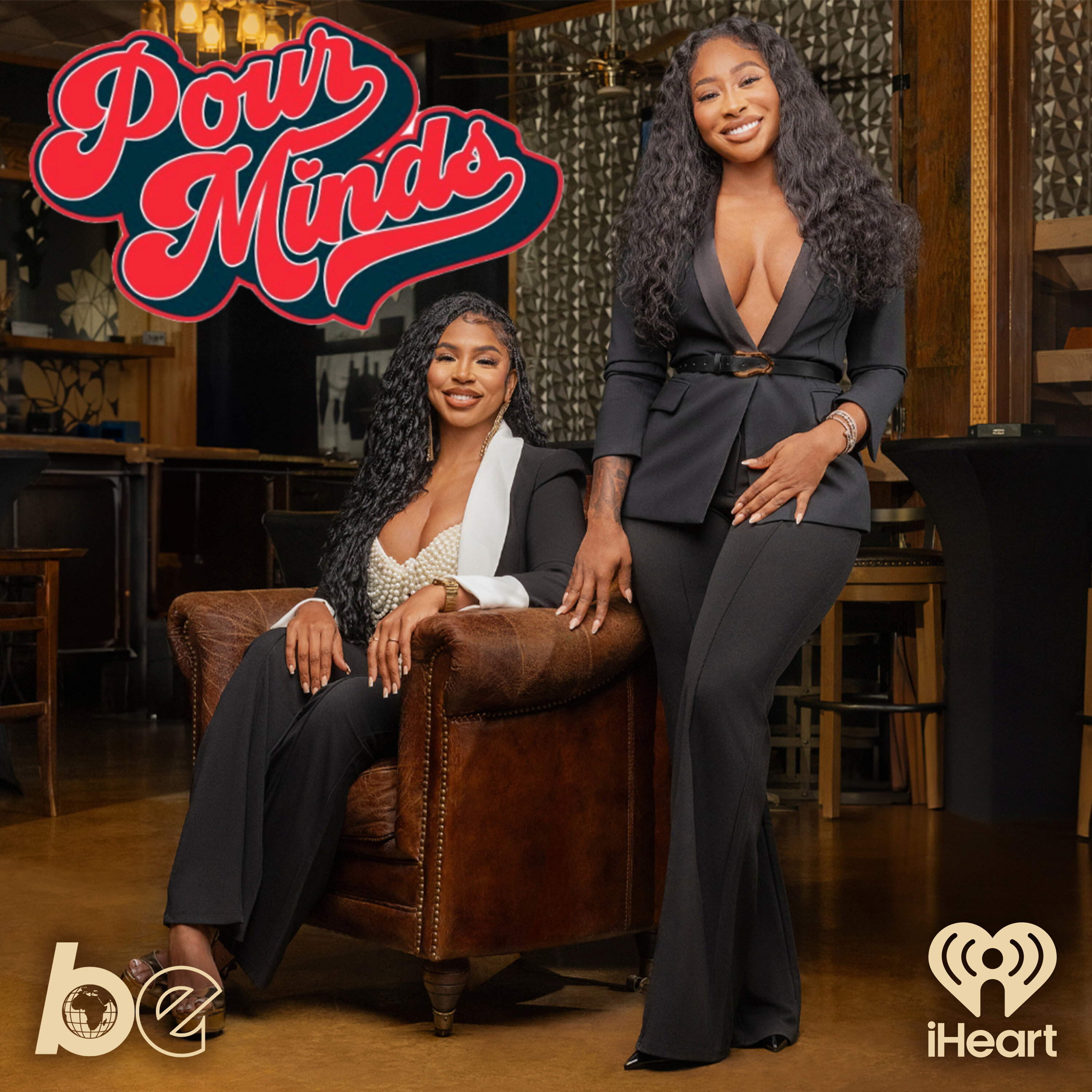
Lex P, one of the co-hosts of Pour Minds, has been podcasting for eight years. She explained it plainly in an interview with TheGrio: "Black women are an underserved and undervalued group of women. I feel like every time there are podcasts or any type of content that comes out, it's always geared towards everybody but us. When Black women are the tastemakers, we do start the trends, so we're ahead of everything."
She also said something that stays with you: "Every time Drea and I are at a lot of these events, being honored and things like that, there's no other Black women podcast in the building."
The podcasts exist. The audiences are real and devoted. The cultural fingerprints of Black women are all over this medium: on the way topics get framed, on which conversations happen first, on what becomes a trend before the rest of the internet catches on. What hasn't followed is the distribution infrastructure, the streaming contracts, and the ownership stakes that translate listenership into Forbes-list earnings.
The gap isn't a talent problem. It's a deal flow problem.
The Shows Worth Knowing Right Now
The question isn't whether Black women are making important podcasts. They absolutely are. The question is whether enough people are putting real weight behind them: subscribing, sharing, making noise.
A few shows that deserve that energy right now:
Pour Minds (hosted by Lex P and Drea Nicole): Eight years in and still one of the sharpest conversation shows around. The longevity alone is a statement.
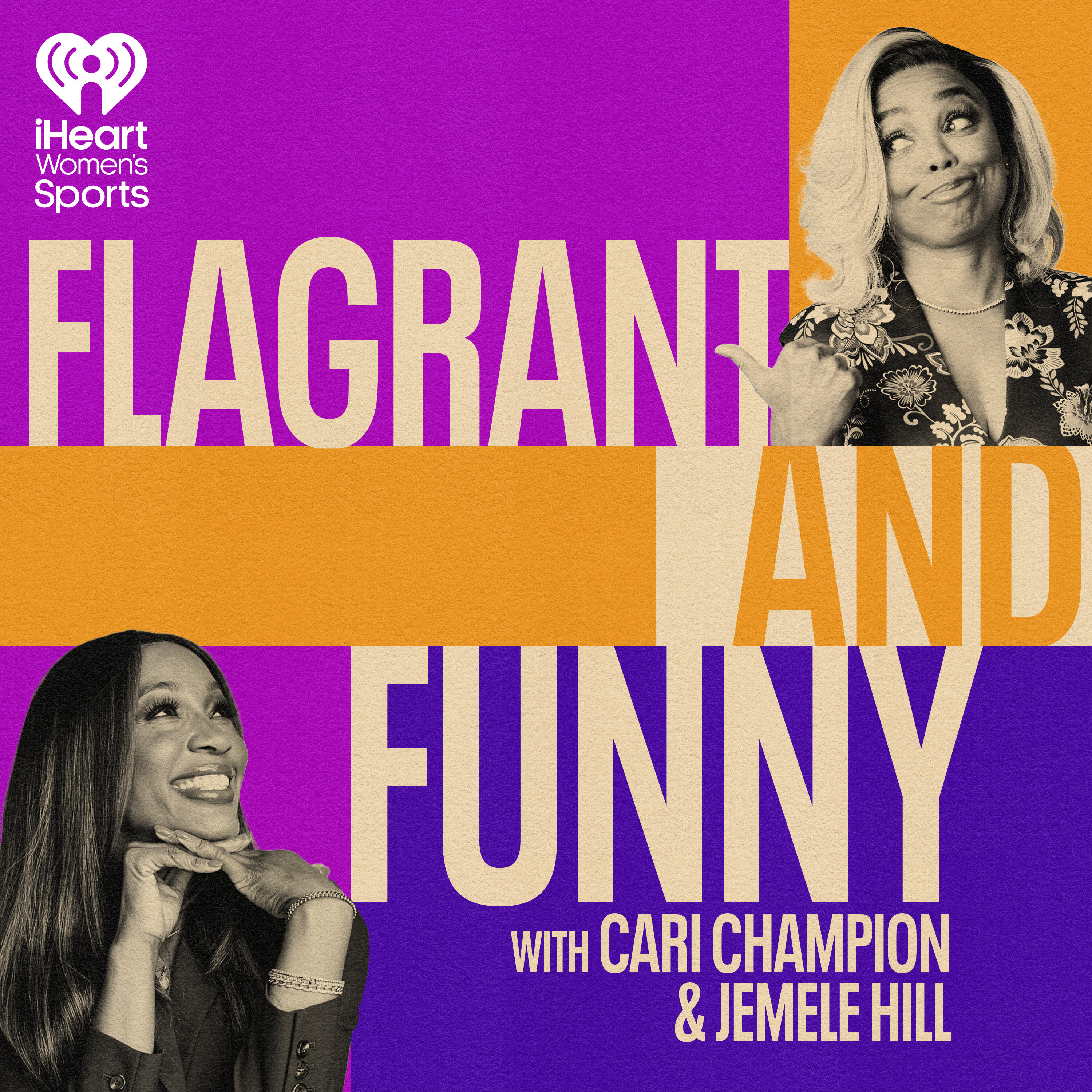
Flagrant and Funny (Cari Champion and Jemele Hill): Two of the most credible sports-and-culture voices doing what they do best together, without the constraints of a network format telling them how long they have to make a point.
IMO with Michelle Obama and Craig Robinson: Still one of the most talked-about new entries in the podcast space. The format is looser and warmer than you'd expect, which is why it keeps pulling people in.
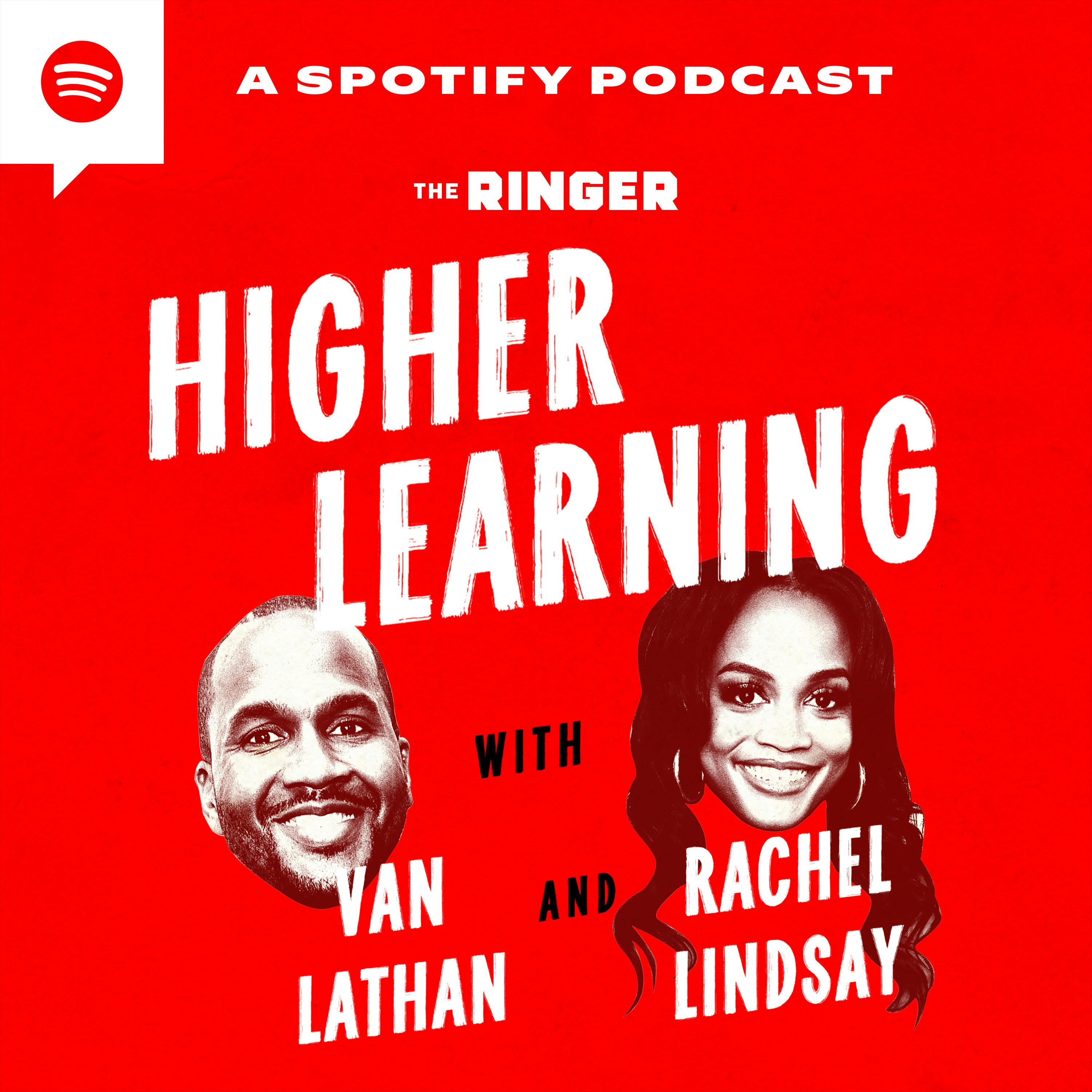
Higher Learning (Rachel Lindsay and Van Lathan): Consistently one of the better culture-meets-current-events shows, willing to go to uncomfortable places when the moment requires it.
The Cutting Room Floor (Recho Omondi): Fashion and culture in long form, from someone with real critical perspective and the patience to develop an idea across a full episode rather than chasing the quick take.
Naked Beauty (Brooke DeVard): Beauty industry conversations that go deeper than the surface. One of the cleaner examples of niche expertise building a genuinely loyal audience.
What This Moment Is Actually Asking For
Black podcasting isn't a charity case that needs defending. It's an industry that helped define what podcasting is and what it can be. Charlamagne Tha God at #10 on the Forbes list is a real thing. So is Joe Budden proving that 70,000 Patreon subscribers can build a media company from scratch.
But a Forbes list with three Black names and zero Black women, in the year 2026, is not a story about barriers that used to exist. It's a story about barriers that are still very much in place, specifically about how the money flowing into podcasting tends to travel through structures that weren't built with Black women creators in mind.
The shows listed above aren't looking for sympathy. They're looking for subscribers, shares, and the kind of sustained attention that eventually moves the numbers that matter. Listening isn't passive support. At 70,000 Patreon subscribers, Joe Budden built a media company. The math works the same way regardless of who's doing it.
Find the shows that belong in your rotation. Put them there.
Podcast news, creator spotlights & picks from the blackpodcastdirectory team — four times a year.