Black Podcasters Built a Mental Health Infrastructure. Here Are Six Shows to Start With.
Finding a Black therapist used to feel like a part-time job. You'd spend two weeks on Psychology Today, filter by race, find one who takes your insurance, land on a three-month waitlist, and then start over. That reality hasn't gone away. But while the clinical system stayed slow, Black podcasters built something else: a collection of shows spanning clinical guidance, peer conversation, and workplace-specific support. Designed for us, updated every week.
These aren't vague wellness shows. The hosts are licensed therapists, researchers, and regular people who decided to put the hard conversations on tape. Collectively they've produced thousands of episodes. Six of them belong in your queue right now.
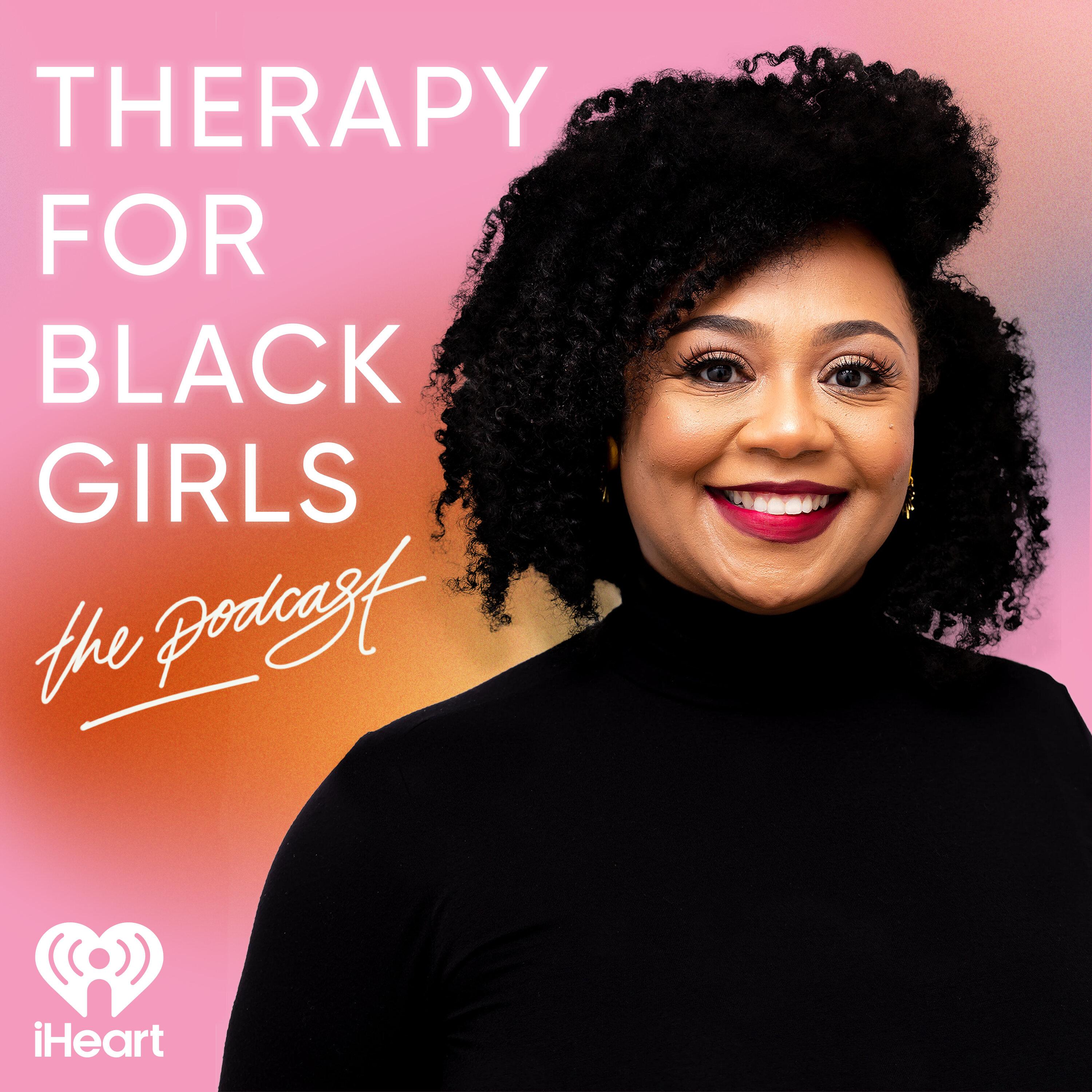
Therapy for Black Girls
Dr. Joy Harden Bradford is a licensed psychologist in Atlanta. She's been running this show long enough that the catalog (578 episodes) is essentially an archive of every mental health conversation Black women have needed to have over the past decade.
The show combines clinical credibility with cultural fluency in a way that most health podcasts don't attempt. The July 29 session, "What Weathering Does to Black Women's Bodies," covers the research on how chronic racial stress physically ages Black women, accelerating disease timelines and compressing what medicine calls "weathering." A few weeks earlier, Dr. Bradford's team published a conversation with the guide who held space for a staff member's psilocybin experience in Jamaica. That range is the show's whole identity.
If you're new to it, search the catalog by what you're actually dealing with. There is almost certainly an episode.
Find it: therapyforblackgirls.com | Apple Podcasts | Spotify
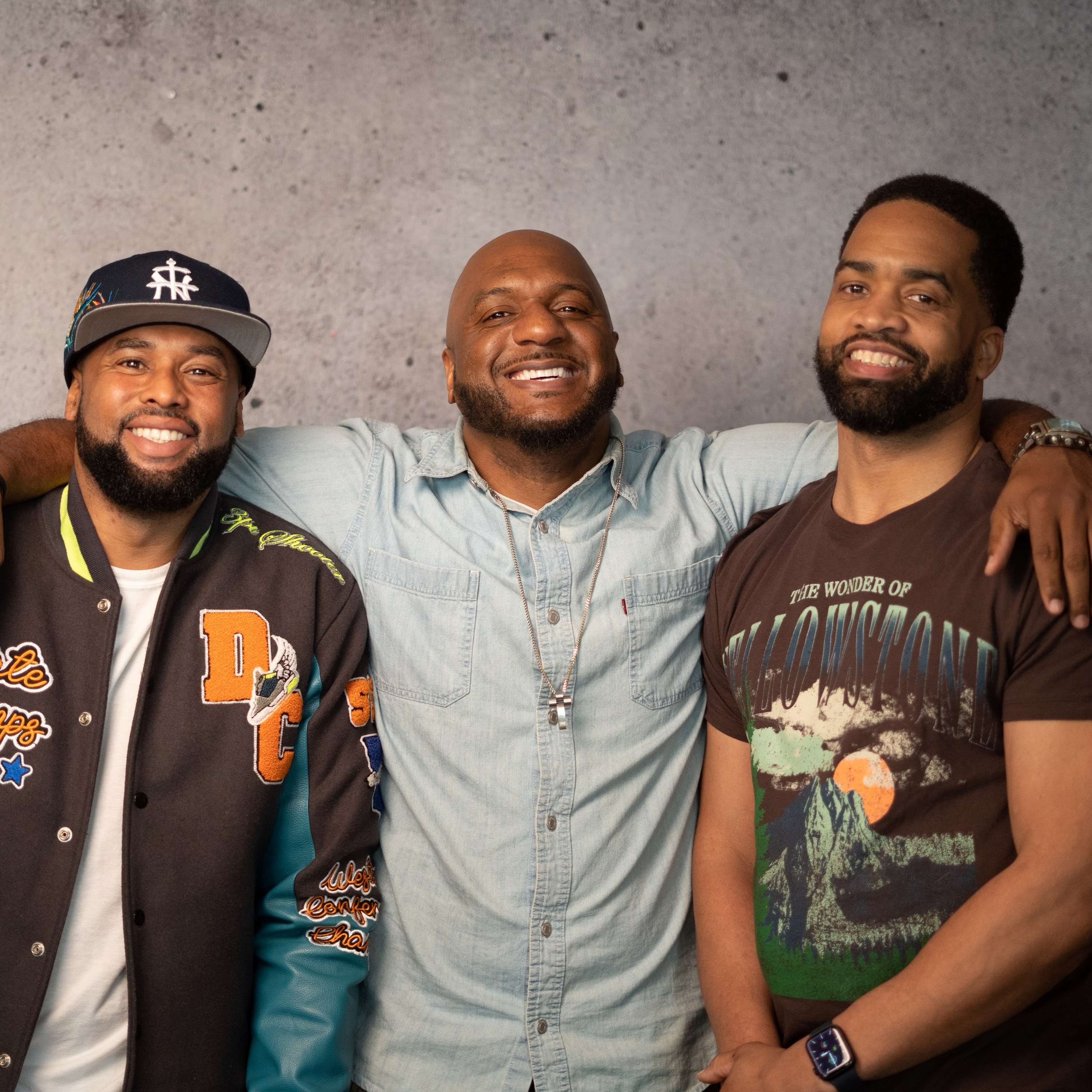
All Black Men Need Therapy
The title is the thesis. Chief, Bell, and Prentice have spent 316 episodes making the case not through pep talks but through the kind of personal disclosure that Black men are told they shouldn't do in public.
The recent episode run is worth looking at as a sequence. "Grief is What Grief is" (July 24) doesn't offer a framework for processing loss; it just sits with the weight of it. "Healed and Unloved" (July 31) examines what happens when you do the inner work and the people around you don't recognize the person who came out the other side. The August 7 episode revisits their original pilot, checking whether anything has changed in how they think about why Black men resist therapy in the first place.
Three Black men talking through hard things without performing toughness. Simple format. It works because they mean it.
Find it: Apple Podcasts | Spotify | YouTube
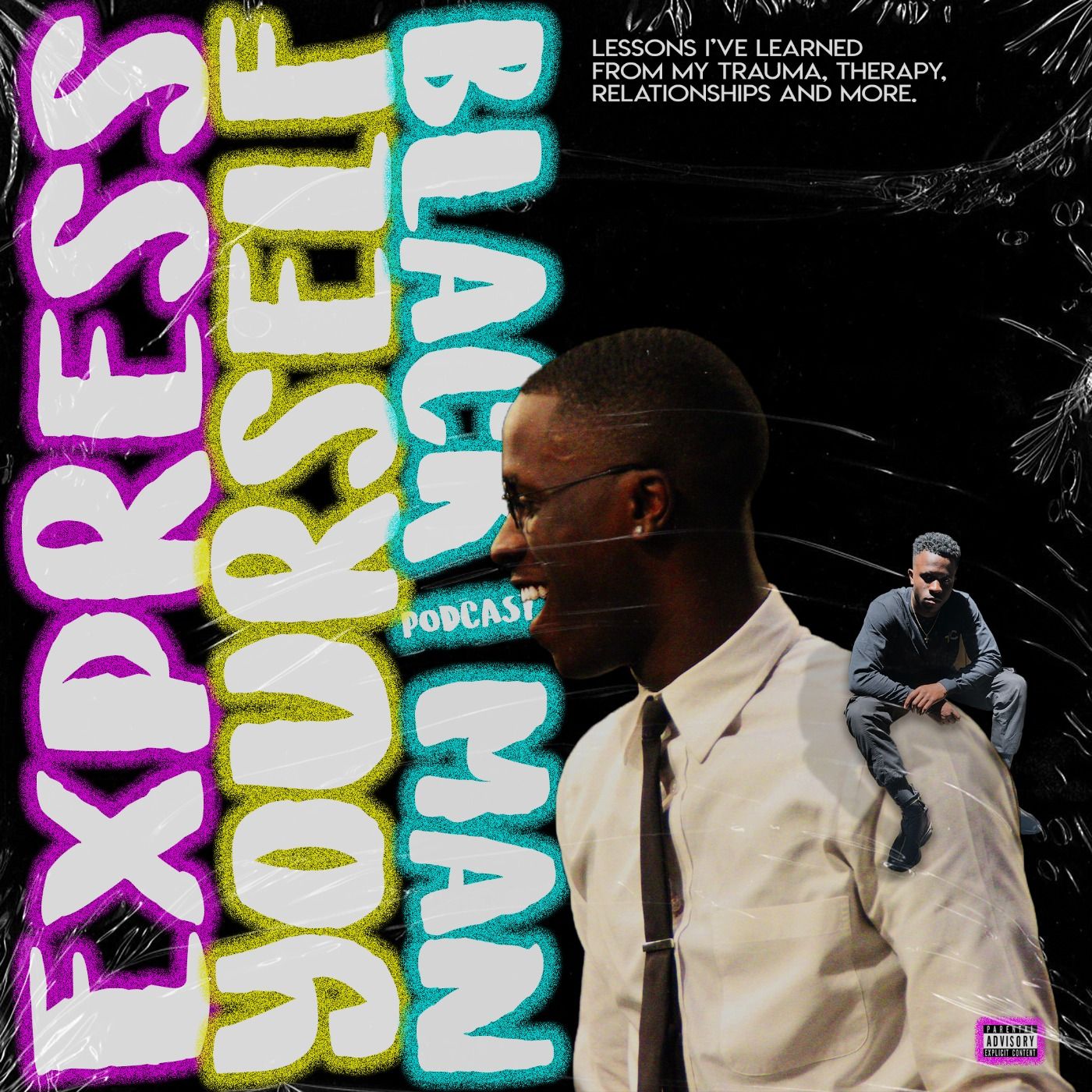
Express Yourself Black Man
Host Kizzle has built the largest Black men's mental health platform in the country, with 200,000 followers across social and 296 podcast episodes that bring in guests who can take the conversation places the host alone couldn't.
Episode 162 with writer and speaker Joél Leon covers intimacy as a practice rather than a feeling, and the clip XYBM released from that conversation, "Are we ready to have this conversation?", is a good test of whether the show is for you. Episode 161 with Londrelle explores what Black men actually mean when they talk about wanting freedom. The short clips XYBM drops between full episodes are worth adding as their own listens: "Black man, this is why you may feel empty" from July 29 runs 13 minutes and will likely stop you mid-commute.
Three episodes per week. High volume, consistently specific.
Find it: expressyourselfblackman.com | Instagram @expressyourselfblackman
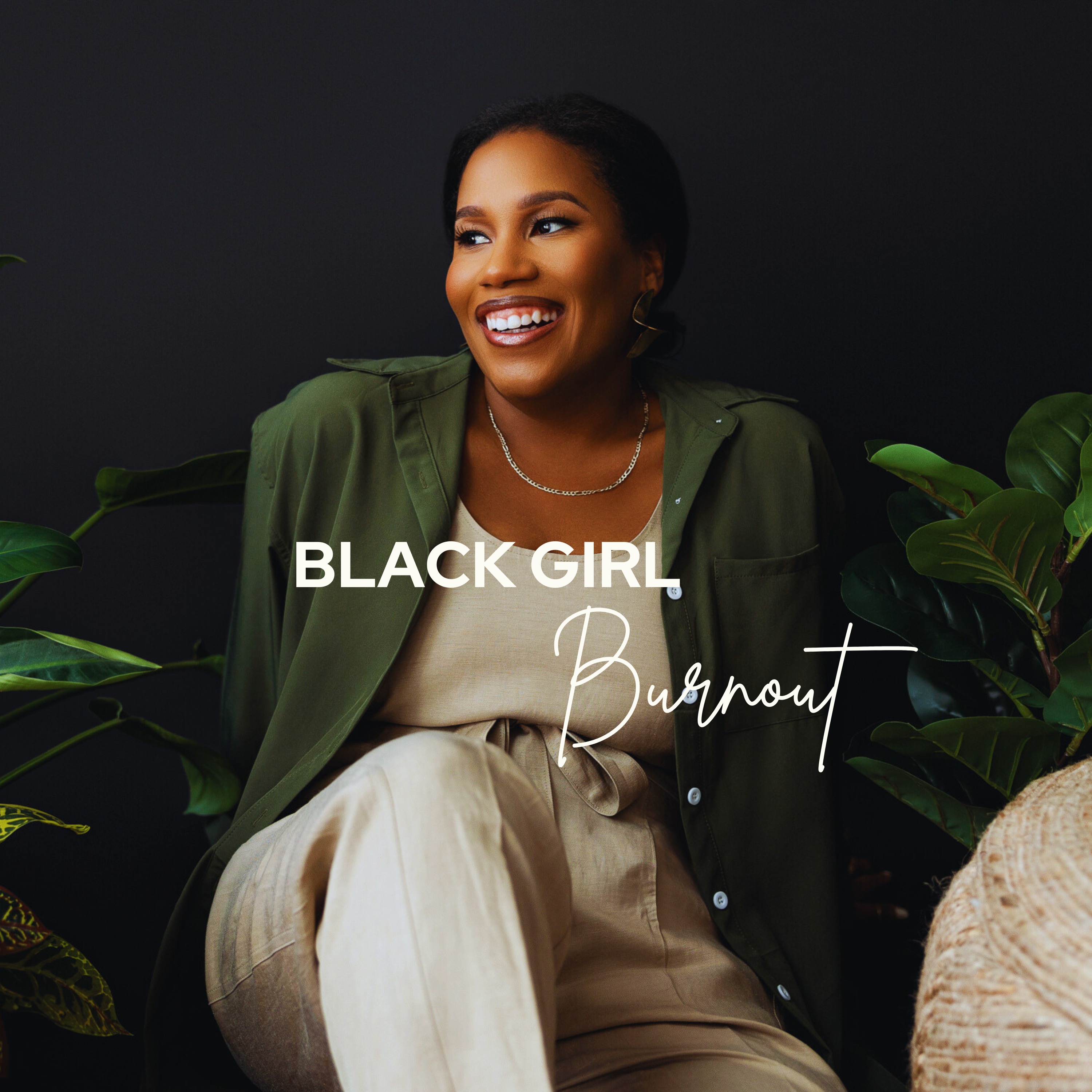
Black Girl Burnout
Kelley Bonner has been doing this for a while. Five hundred and six episodes, which means she has covered every variation of the problem: ambition that collapses under its own weight, the particular exhaustion of caregiving for aging parents, the burnout that doesn't respond to a weekend off.
The show's central argument is that burnout for Black women usually starts in the structure, not in the schedule. Bonner spends less time telling you to slow down and more time asking what you're optimizing for, and whether the version of success you're chasing was ever yours to begin with. Episodes run short, often 15 to 20 minutes, which fits. The right 18 minutes on the right day will do more than an hour of general wellness content.
Find it: Apple Podcasts | Spotify
The Dope Black Therapist
Blaise Harris is a licensed therapist, and the show is built for people who want to understand mental health, find a therapist, or hear someone work through the cultural context that most clinical resources skip. The tagline puts it plainly: "Don't let the name sway you. Everyone can learn something from this. I just happen to be a dope therapist that happens to be Black."
The show publishes about once a month, which means episodes land with intention. The July 5 episode, "How are you?" (all 15 minutes of it) asks the question seriously and doesn't rush past it. Episode 79 from June covers men's mental health month without defaulting to crisis framing, which is harder to pull off than it sounds. Harris keeps the show practical: what therapy actually is, how to find it, and what to do while you're waiting.
Find it: Apple Podcasts | Spotify | thedopeblacktherapist.com

Black Womaning in Corporate America®
Nicole S. Palmer's show operates at a specific intersection: mental health, identity, and the professional grind that Black women navigate in workplace spaces. Based in DC, 39 episodes in, the show brings in guests who have developed language for experiences that most corporate culture refuses to name.
The two-part episode series from late June and early July with researcher Crystle Johnson is the clearest example. Johnson introduces the concept of "Underbelonging," a state where you're technically in the room but structurally excluded from belonging to it. Palmer and Johnson spend two conversations pulling that apart and looking at what it costs. If you've ever been in a workplace and felt exactly that, the episodes will give you a framework for something you've been describing in approximations.
Find it: Spotify | YouTube
All six of these shows live in the Black Podcast Directory at blackpodcastdirectory.com, alongside hundreds of other Black-owned shows across comedy, sports, true crime, and more. The mental health lane is one part of a much larger ecosystem being built. But it's a lane that's gotten serious, and now you know who's running it.
Podcast news, creator spotlights & picks from the blackpodcastdirectory team — four times a year.